
weathercrisp.com
🌅 05:27 🌇 21:54 00:00 06:00 12:00 18:00 00:00
Today

Red Deer - Sun & Moon

Sunrise, sunset, twilight and tonight's moon for Red Deer.


Sun reaches 59.9° above the horizon at midday.

The sun's day over Red Deer

From first light to last, hour by hour.
🌅
Sunrise
05:27
🌇
Sunset
21:54
Day length
16h 27m 0s
▼ 1m 52s shorter than yesterday
☉️
Solar noon
13:40

Twilight & light phases

When the sky lightens in the morning and darkens at night.
  Dawn Dusk
Astronomical twilight None None
Nautical twilight 03:27 - 04:39 22:41 - 23:53
Civil twilight 04:39 - 05:26 21:54 - 22:41
Blue hour 04:39 - 04:58 22:22 - 22:41
Golden hour 05:26 - 06:20 21:00 - 21:54

Moon over Red Deer tonight

Phase, illumination and moon times.
Moon phase
Waning Crescent
Illumination
6%
Moonrise
01:42
Moonset
19:47

Quick links

More Red Deer weather pages

About sunrise, sunset & moon times in Red Deer

Knowing exactly when the sun rises and sets - and how the light changes before and after - helps with everything from planning a hike to catching the best photo. This page combines the official sunrise and sunset times with astronomically calculated twilight and golden-hour windows.

Civil, nautical and astronomical twilight mark how far the sun sits below the horizon, from a bright sky good for outdoor activity down to fully dark skies for stargazing. The golden hour gives warm, soft light; the blue hour, the cool glow just before sunrise and after sunset.
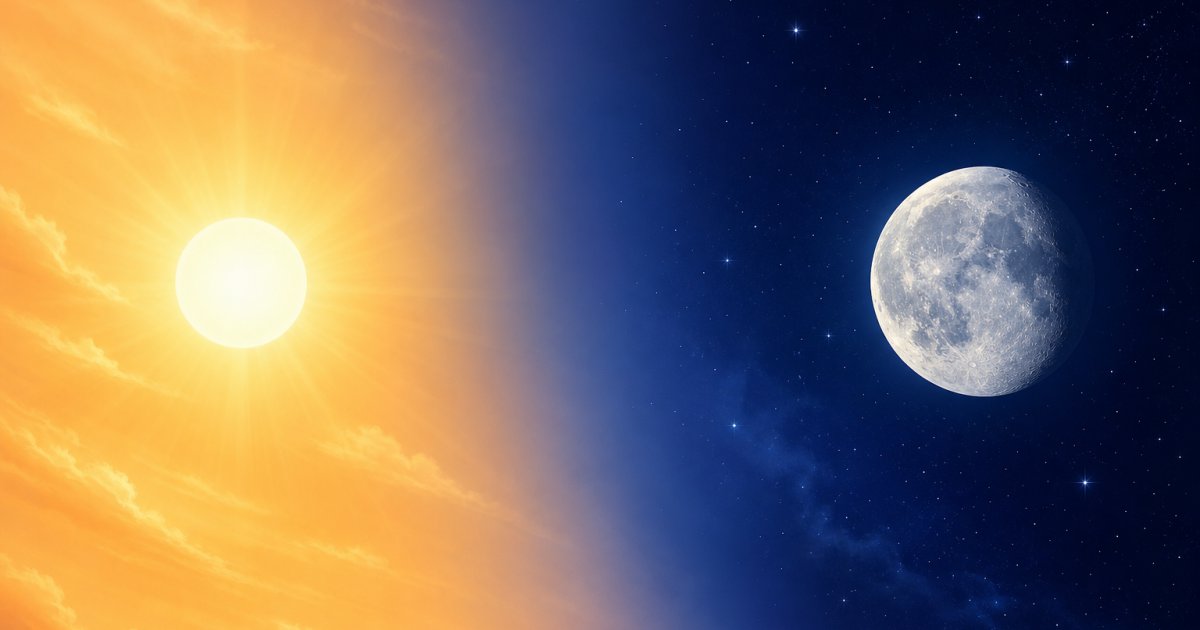
Illustration of golden hour sunlight and the night sky with the moon for Red Deer.
Golden hour and moonlight — sunrise, sunset and twilight times for Red Deer.
Frequently asked questions
Common questions about sun and moon times.

What is the golden hour?

The golden hour is the period shortly after sunrise and before sunset when the sun is low (below about 6 degrees), giving warm, soft, directional light that photographers prize.

What is the difference between civil, nautical and astronomical twilight?

They mark how far the sun is below the horizon: civil twilight (0 to 6 degrees) is bright enough for most outdoor activity, nautical (6 to 12) leaves the horizon faintly visible, and astronomical (12 to 18) is when the sky becomes fully dark for stargazing.

Why does the day length change each day?

As the Earth orbits the Sun with its tilted axis, the length of daylight grows toward the summer solstice and shrinks toward the winter solstice. The daily change is largest around the equinoxes and smallest near the solstices.

How is the moon illumination calculated?

Illumination is the percentage of the Moon's visible disc lit by the Sun, from 0% at new moon to 100% at full moon. It is the same everywhere on Earth on a given date.
Location coordinates Where is Red Deer?

Get accurate weather forecasts for Red Deer, located at latitude 52.267 and longitude -113.802. Stay updated with localized weather information tailored for Red Deer.

Found a mistake?
We appreciate your attention to details. Tell us here.